.svg)

Display Sale
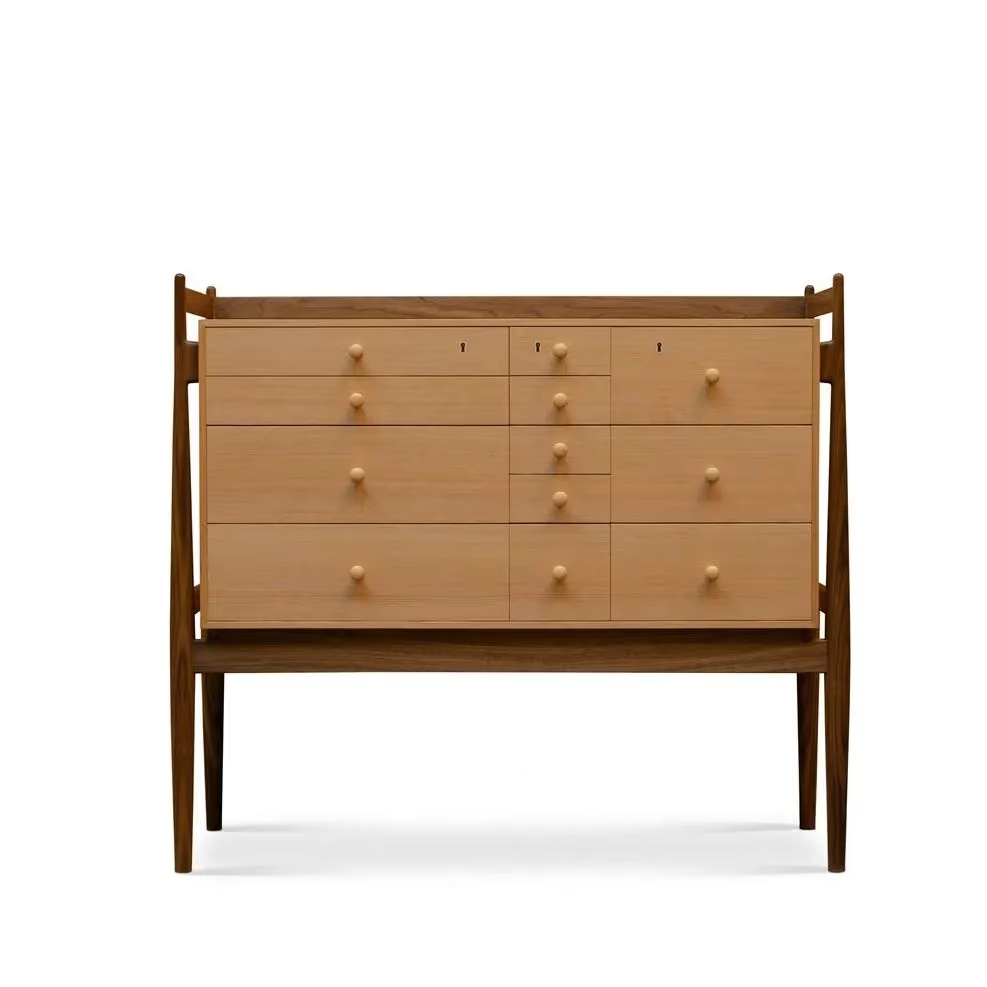
The Silverware Cabinet
by
Finn Juhl
From
0
0
Inc VAT
Inc VAT
Frame:
Oregon Pine
,
Walnut
,
Upholstery:
Finish/Colour:
No items found.
Dimensions:
102 x 42 x 90h cm
Seat Height:
Variations:
Limited edition with Kay Bojesen silverware.
Lead Time:
8 - 10 Weeks
Color Temp:
Dimming:
IP Rating:
Certification:
Origin:
Denmark
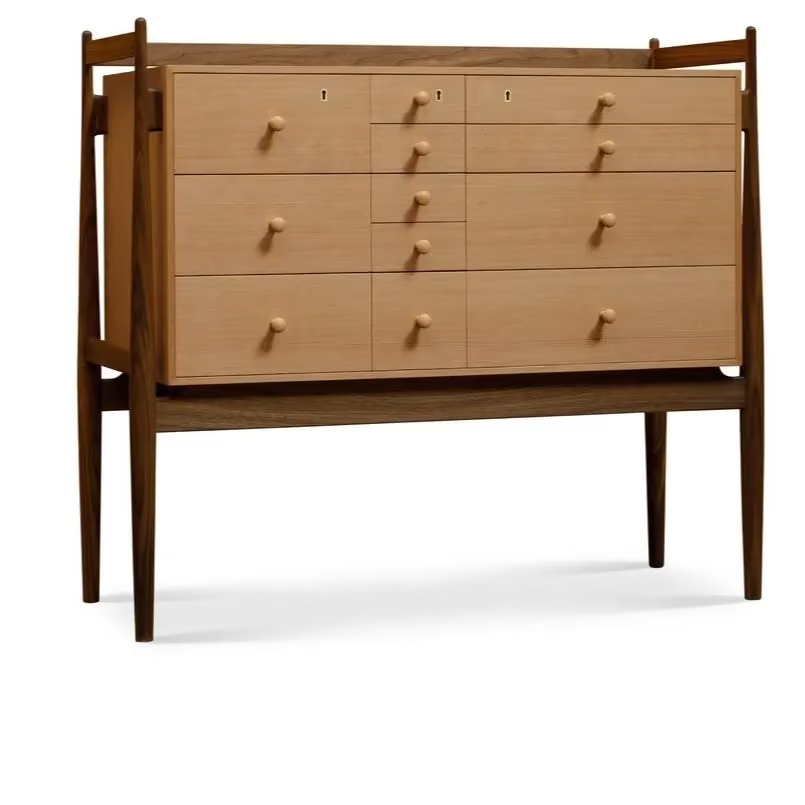
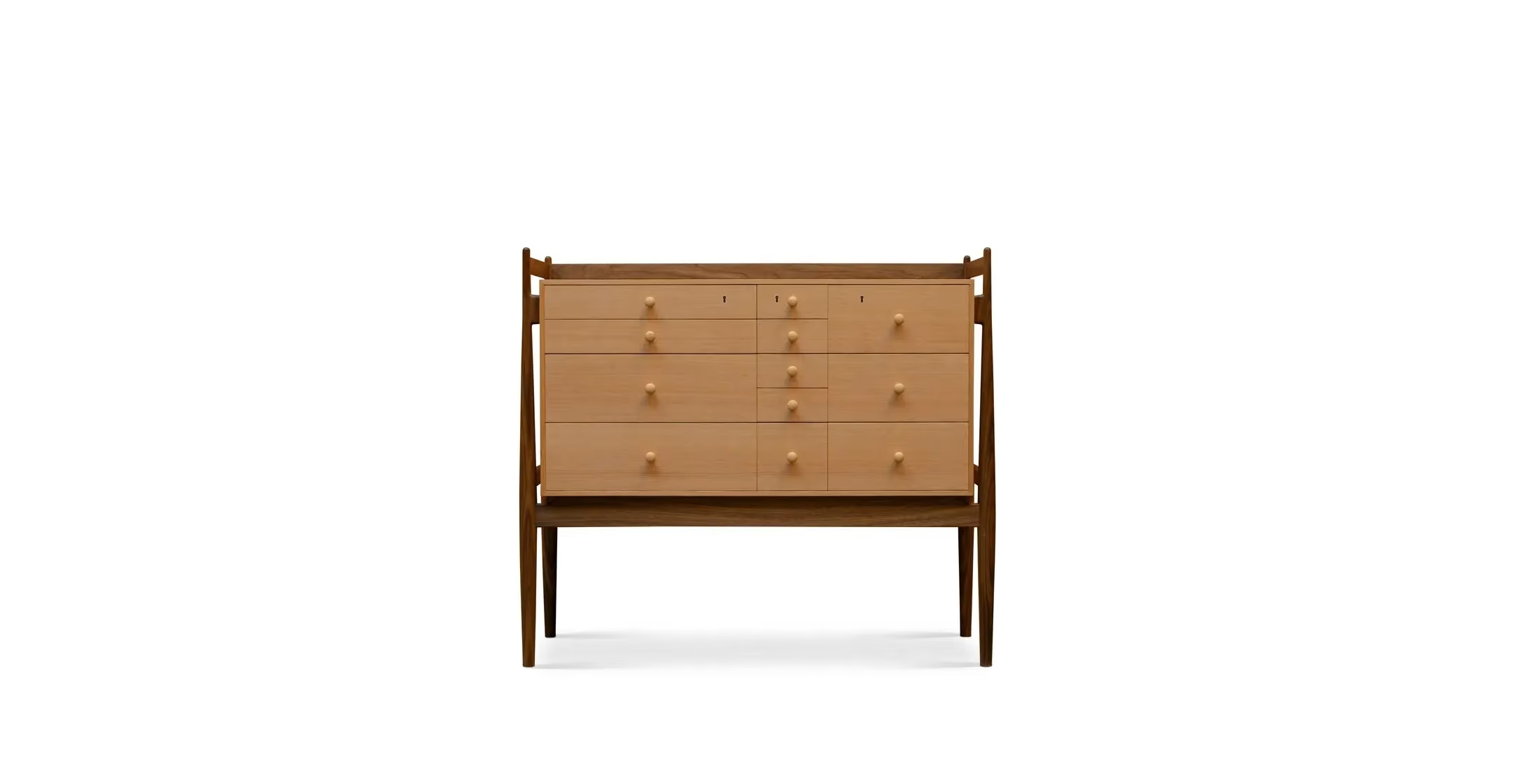
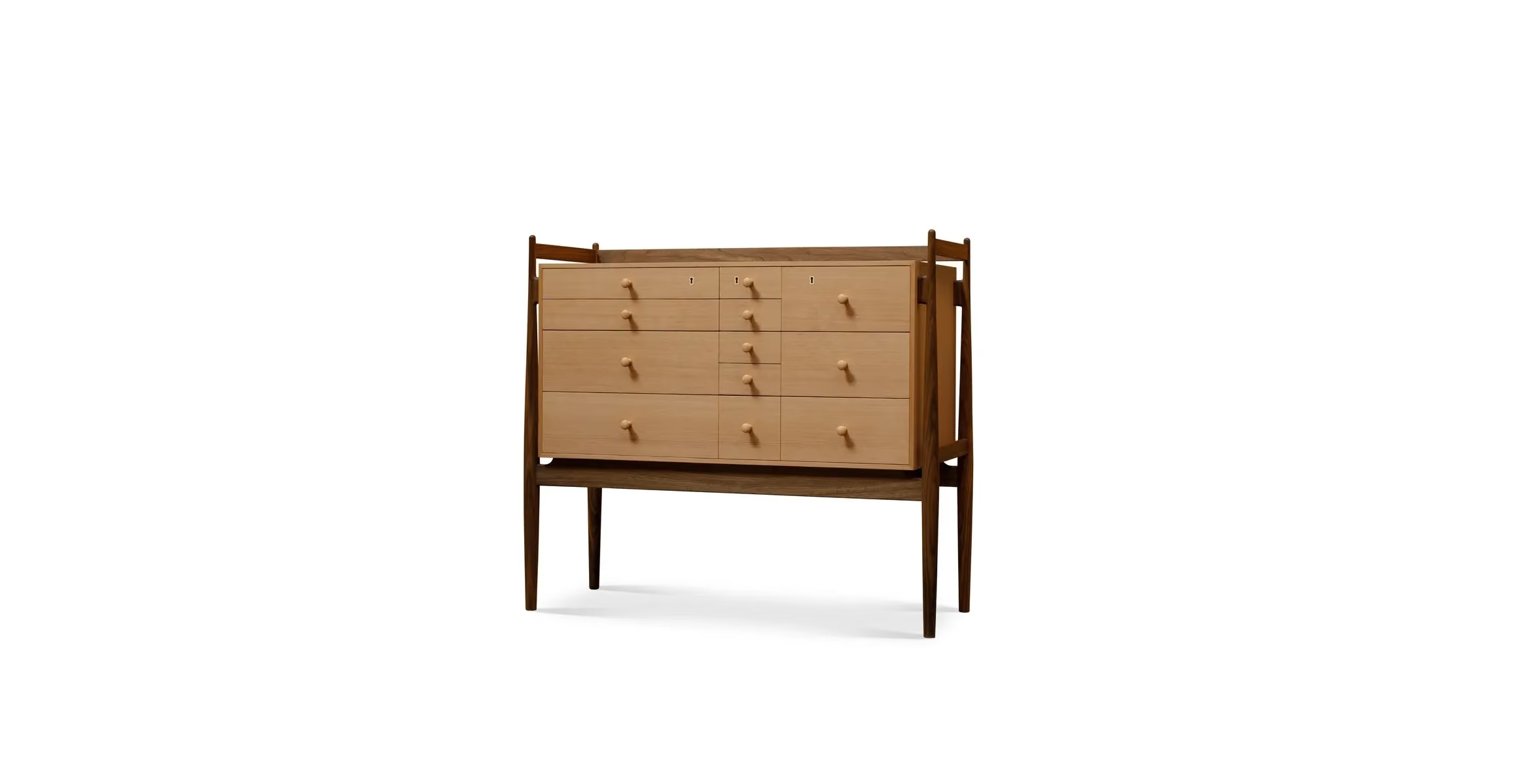
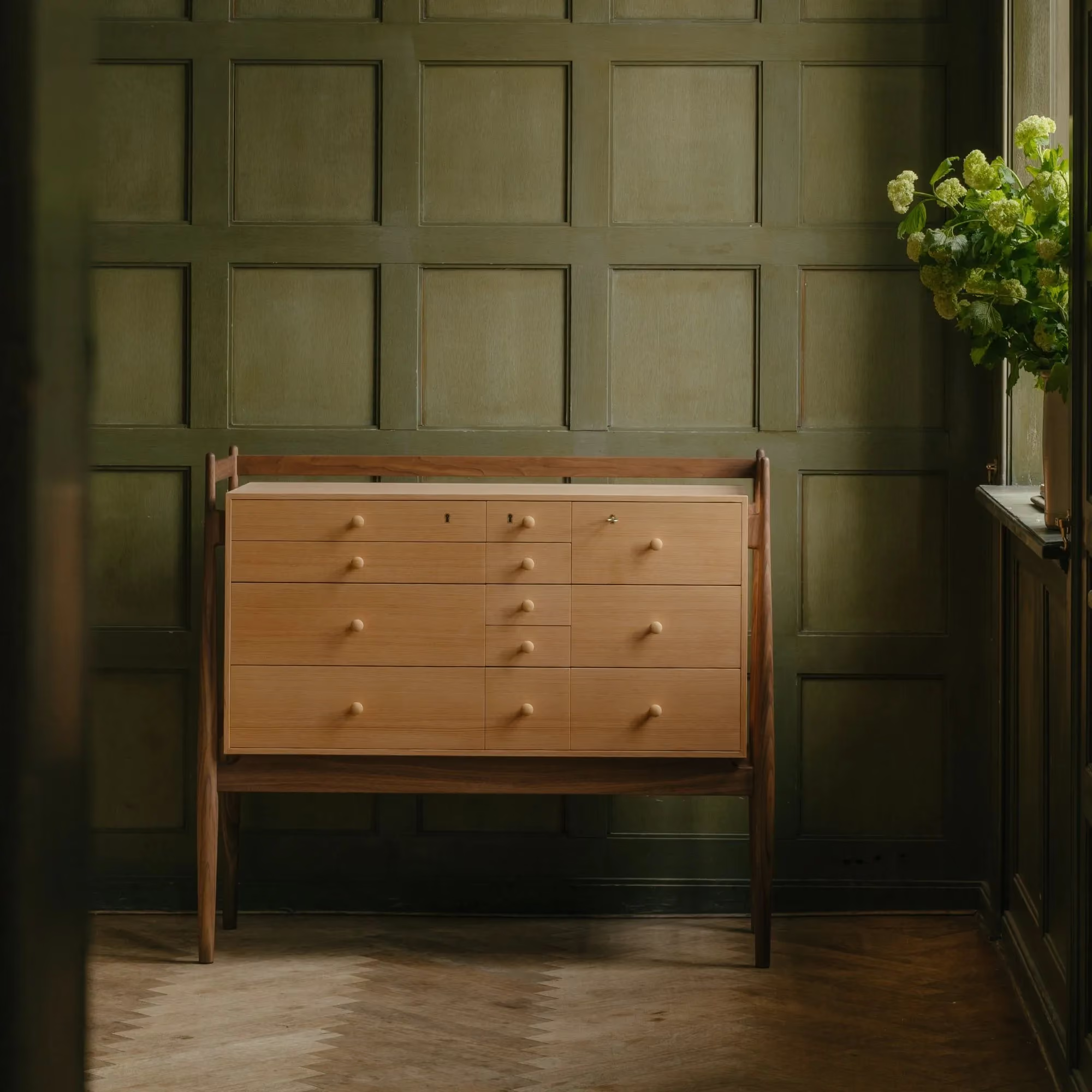
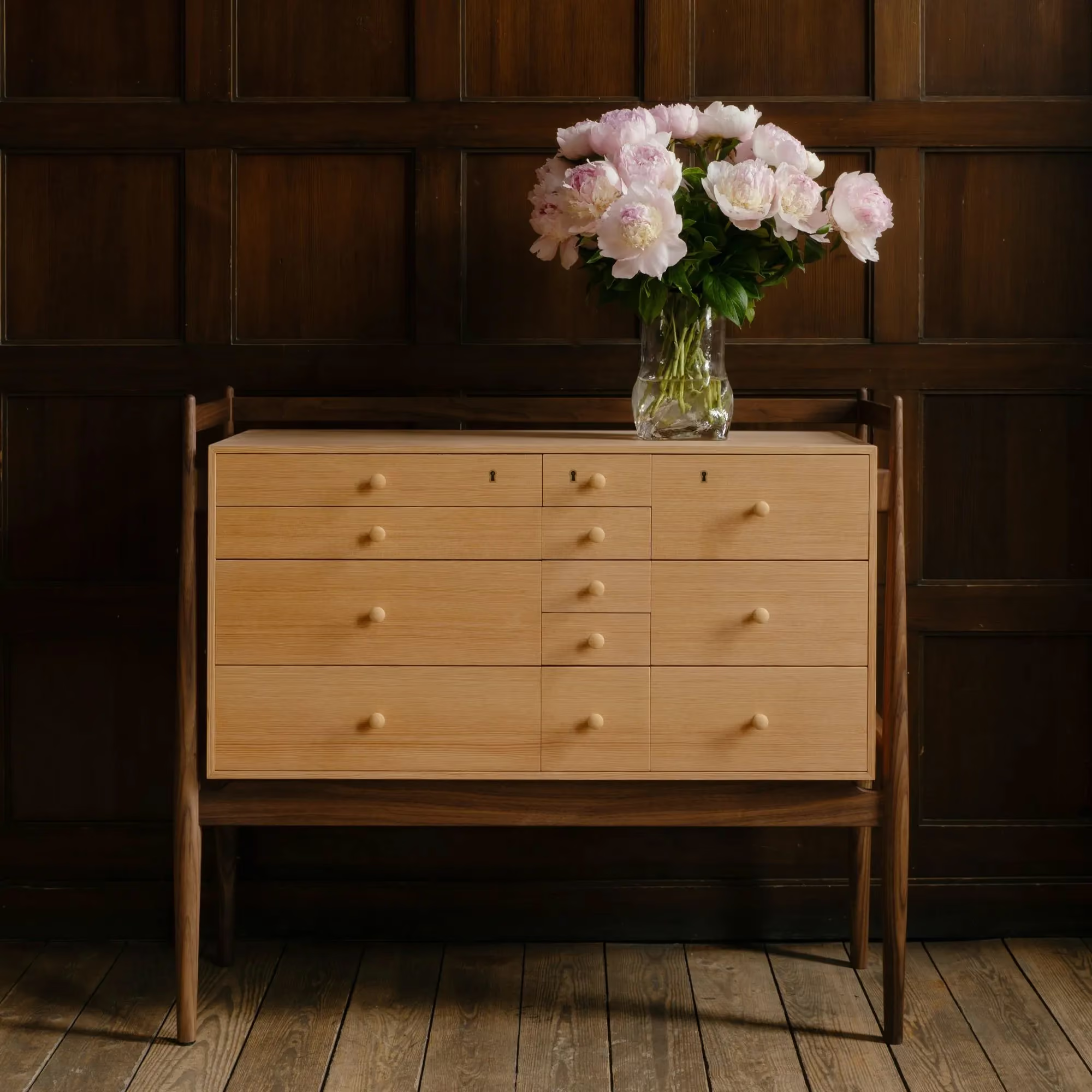
In 1949, Finn Juhl introduced a cabinet designed for storing silverware that captures some of his most enduring design principles. It was presented at the Cabinetmakers’ Guild Furniture Exhibition alongside several of his now-iconic pieces. While the Chieftain Chair drew most of the attention, the cabinet itself went largely unnoticed by contemporary critics — despite its striking architectural clarity and refined sense of proportion. The frame is crafted in American walnut, while the cabinet itself is made in Oregon pine. The Silverware Cabinet will be presented during 3daysofdesign in a special edition featuring silver cutlery by Kay Bojesen for twelve settings, paired with a custom-crafted leather interior.
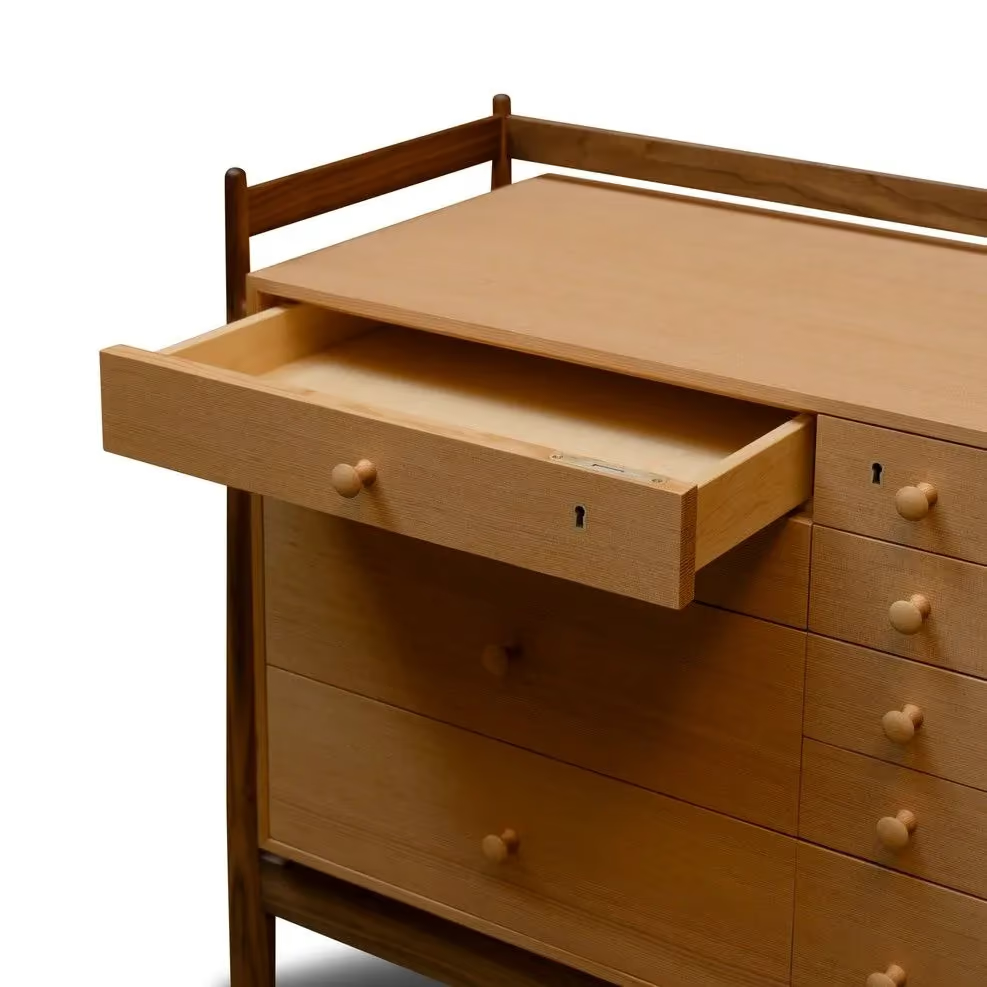
Originally crafted by master cabinetmaker Niels Vodder, the Silverware Cabinet takes the shape of a geometric box elevated from the floor by a light, organically shaped frame. The drawers can be locked vertically using the accompanying brass key.


BRAND HIGHLIGHT
Today, the House of Finn Juhl by OneCollection exclusively manufactures his sculptural and iconic furniture. More than 40 of his classic masterpieces are crafted to the most exacting standards, with the utmost respect for their original heritage.Tollgard is proud to represent Finn Juhl at its London showrooms. Among the pieces available is the Chieftain chair, “France chair and 109 chair” which is one of the designer’s most celebrated pieces, designed at the peak of his career. When it was presented in 1949, it marked a renewal of Danish furniture design.
Visit Brand
Visit Brand
DESIGNED BY
Finn Juhl
Rather than thinking in terms of practical construction, Finn Juhl had the mind-set of a sculptor, when he shaped a piece of furniture. In the 1940s and 1950s, this way of working had never been seen before. His ambition was to design furniture with movement and life. Finn Juhl took pride in making both the structurally supportive elements of the furniture and the seated person look as though they are floating.
more products
more products